


-

Add: HeBei ShengShi HongBang Cellulose Technology CO.,LTD.
-

Email
13180486930@163.com -

CONTACT US
+86 13180486930


In the world of modern construction, synthetic fibers have revolutionized the way materials are used, enhancing the strength, flexibility, and durability of various building components. The different types of synthetic fibers available today are engineered for specific uses, making them indispensable in many construction projects. These fibers are often used to reinforce concrete, improve the resilience of building structures, and provide additional benefits like increased fire resistance and weather protection. From polypropylene fibers to long glass fibers , synthetic fibers offer a range of options tailored to different needs. Whether it’s increasing the strength of cement or providing insulation properties, the different types of synthetic fibers ensure that construction projects meet high standards of quality and longevity. In addition to their superior performance, synthetic fibers are often more cost-effective and readily available than traditional materials. This makes them a preferred choice for construction companies aiming to reduce costs while maintaining high-quality results. Furthermore, the environmental impact of synthetic fibers is increasingly being addressed with sustainable production methods, making them a more eco-friendly option for the construction industry. Long Glass Fiber Polypropylene: A Key Ingredient for Stronger Materials One of the standout synthetic fibers in the construction industry is long glass fiber polypropylene . This innovative fiber combines the strength of glass with the lightweight, corrosion-resistant properties of polypropylene. As a result, long glass fiber polypropylene is often used to reinforce concrete and other building materials, providing a significant boost in durability and performance. The inclusion of long glass fiber polypropylene in construction materials helps reduce cracking and improve the structural integrity of buildings and roads. The long fibers create a matrix that distributes stresses evenly across the material, preventing localized damage. This fiber is particularly useful in high-strength concrete applications where additional reinforcement is needed. Moreover, long glass fiber polypropylene is highly resistant to environmental factors like moisture, UV radiation, and temperature changes, making it ideal for both indoor and outdoor construction projects. It is commonly used in applications like paving, drainage systems, and even in the production of prefabricated building components. Its versatility and effectiveness in improving the lifespan and reliability of building materials make it a go-to solution for modern construction needs. Fibre Natural and Synthetic: A Comparison of Strength and Sustainability When choosing materials for construction, understanding the difference between fibre natural and synthetic options is crucial. While natural fibers such as jute, hemp, and cotton have been traditionally used in construction, synthetic fibers like polypropylene, polyester, and nylon have emerged as more durable and cost-effective alternatives. Fibre natural and synthetic materials each have their own advantages, making them suitable for different types of applications. Natural fibers are renewable, biodegradable, and often produced using more sustainable methods, making them a more eco-friendly option. However, they may not offer the same level of strength or resistance to environmental factors as synthetic fibers. On the other hand, synthetic fibers are engineered for durability, offering superior resistance to moisture, heat, and wear. They are often used to enhance the properties of natural materials, making them more suitable for demanding construction environments. For example, natural fibers like hemp may be used in insulation or as a reinforcement material in low-stress applications, while synthetic fibers like polypropylene or polyester are used for high-strength reinforcement in concrete, roofing, and other critical structures. By combining the best of both fibre natural and synthetic materials, construction companies can achieve optimal performance and sustainability. Non-Woven Polypropylene Fiber: A Revolutionary Material in Construction Non woven polypropylene fiber is another essential material that is increasingly being used in the construction industry. Unlike traditional woven fabrics, non woven polypropylene fiber is made from a process that bonds fibers together without weaving or knitting, resulting in a highly versatile material with excellent durability and moisture resistance. This fiber is widely used in applications like drainage systems, geotextiles, and road construction. Non woven polypropylene fiber provides a lightweight yet strong solution for reinforcing construction materials. It is often used in soil stabilization, as it helps prevent erosion and improves the strength of the ground underneath roads, bridges, and buildings. The material's ability to resist moisture also makes it ideal for protecting against corrosion and extending the lifespan of infrastructure. Additionally, non woven polypropylene fiber is environmentally friendly, as it is made from recyclable polypropylene, a material that can be repurposed for various other uses. Its cost-effectiveness, combined with its high-performance qualities, makes it a popular choice for contractors seeking durable and sustainable solutions for their construction projects. S ynthetic F ibers FAQs What are the different types of synthetic fibers used in construction? Synthetic fibers used in construction include polypropylene, polyester, nylon, and glass fibers. Each type is engineered for specific applications, such as reinforcing concrete, improving durability, and providing insulation. What is long glass fiber polypropylene, and why is it important in construction? Long glass fiber polypropylene is a fiber that combines the strength of glass with the lightweight, corrosion-resistant properties of polypropylene. It is essential in construction for reinforcing concrete, improving structural integrity, and preventing cracking. What are the benefits of using natural fibers in construction? Natural fibers , like hemp or jute, offer benefits such as renewability, biodegradability, and sustainability. They are commonly used for insulation and low-stress reinforcement, but may not be as durable or resistant to environmental factors as synthetic fibers. How does non-woven polypropylene fiber differ from woven fabrics? Unlike woven fabrics, non-woven polypropylene fiber is made through a bonding process that does not involve weaving or knitting. This results in a highly durable and moisture-resistant material, commonly used in geotextiles, drainage systems, and soil stabilization. Are synthetic fibers environmentally friendly? While synthetic fibers are often made from petroleum-based products, many are now produced using more sustainable methods. Additionally, materials like non woven polypropylene fiber are recyclable, making them a more environmentally friendly choice in construction. As construction needs evolve, synthetic fibers like long glass fiber polypropylene and non woven polypropylene fiber continue to play a crucial role in enhancing the strength, durability, and sustainability of building materials. If you're in the construction business, investing in these cutting-edge fibers will improve the performance of your projects and contribute to more eco-friendly practices. Visit our website today to explore our wide range of high-quality synthetic fibers and learn how they can transform your construction projects!
- 40000tons

Production
- 20+years

Experience
- 5000+㎡

Acreage

-
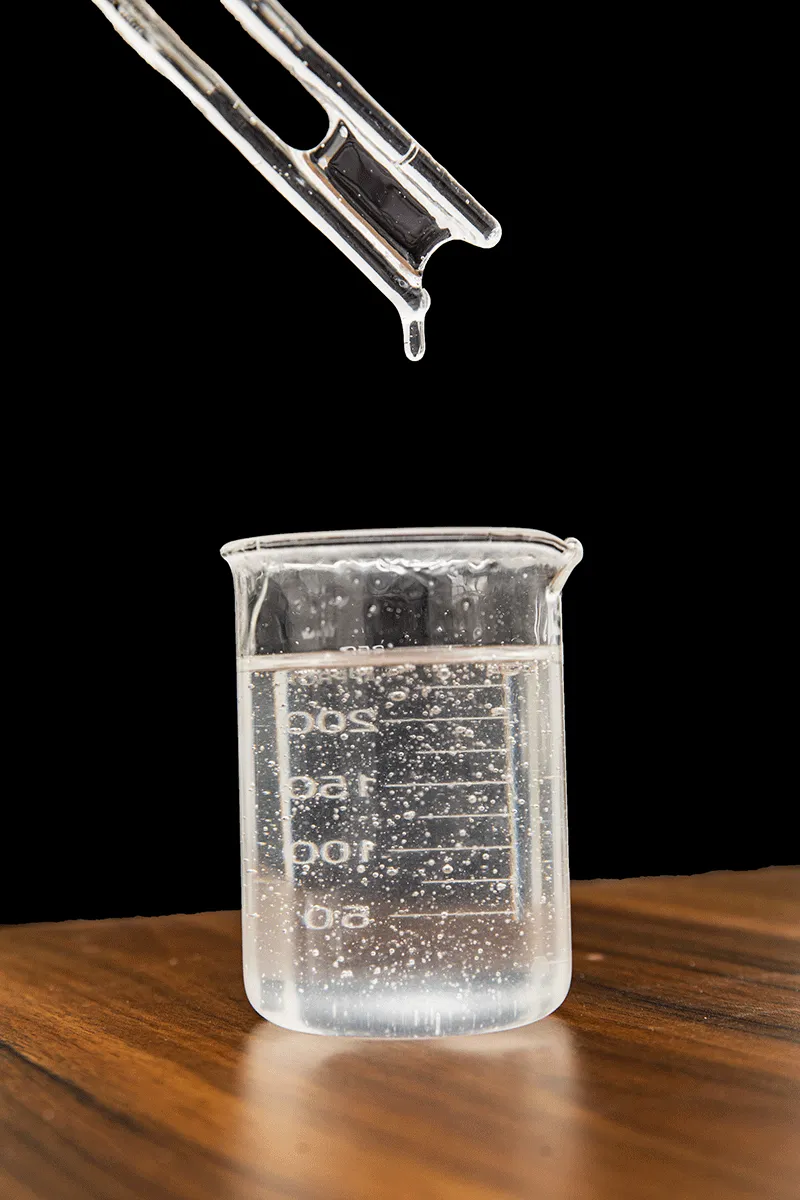
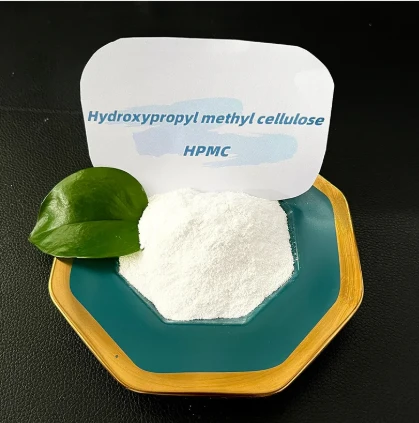
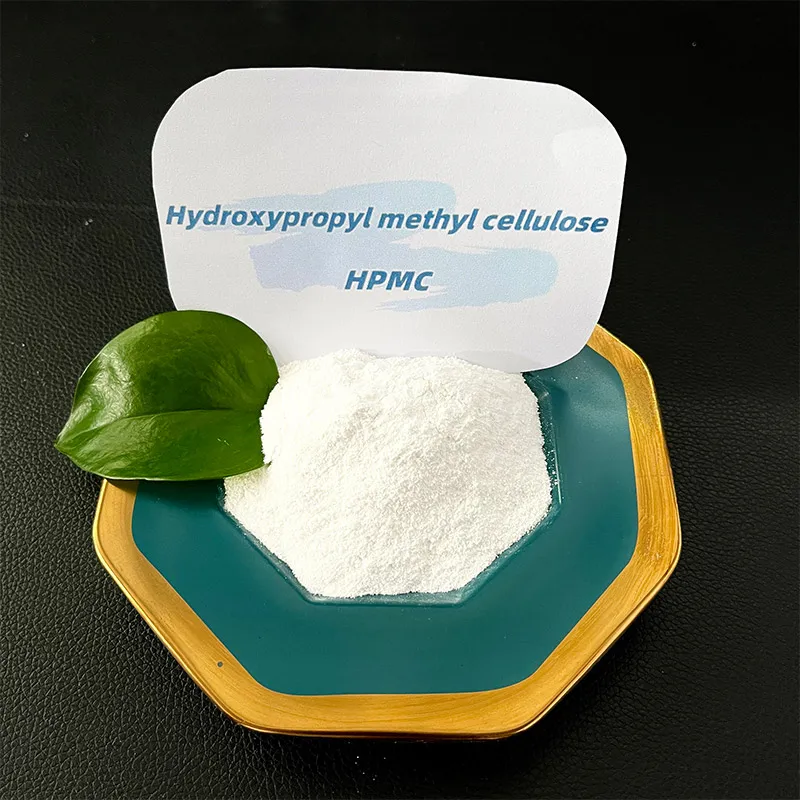
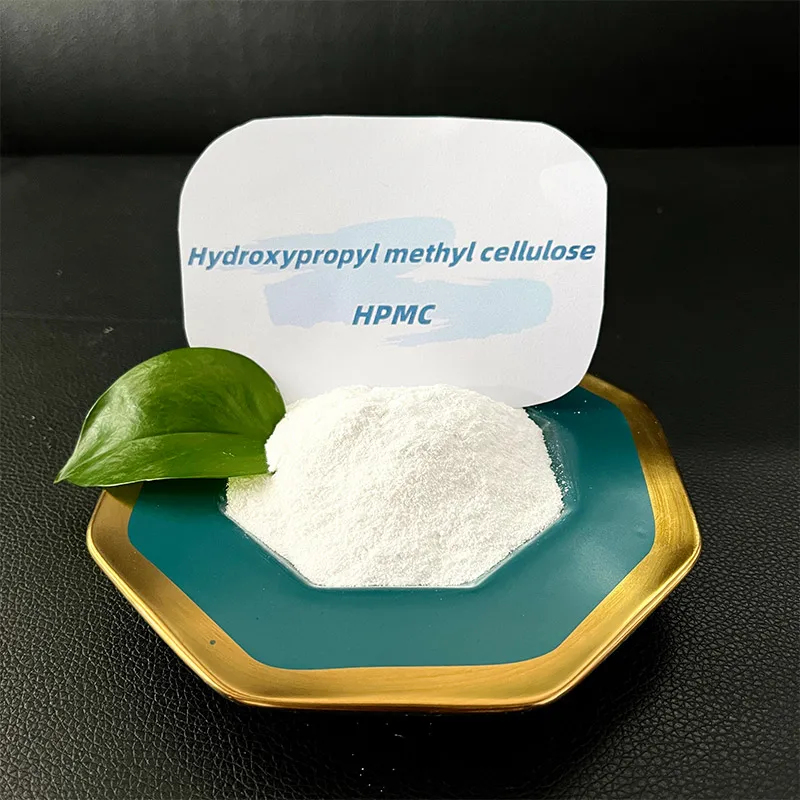
Hypromellose, also known as hydroxypropyl methylcellulose (HPMC) , is a versatile and widely used ingredient in the pharmaceutical, cosmetic, and food industries. Its unique properties and myriad applications showcase how it has become an indispensable component across these sectors. In the pharmaceutical field, hypromellose plays a crucial role in drug formulation and delivery. Thanks to its controlled release properties, it enhances the efficacy and patient compliance of oral medications. Many extended-release tablets employ hypromellose as a matrix to modulate the drug release profile. This capability ensures a sustained therapeutic effect, reducing the need for frequent dosing. Furthermore, hypromellose is known for its excellent biocompatibility and safety profile, making it an ideal candidate for a variety of pharmaceutical applications. As a non-toxic and non-irritant compound, it is used extensively as a coating agent to mask unpleasant tastes and protect drugs from environmental degradation. In the cosmetics industry, hypromellose is valued for its ability to improve product texture and stability. As a film-forming agent, it aids in the creation of smooth, even coats on hair and skin, contributing to the enhanced consistency and efficacy of skincare and haircare products. Its water-retentive properties also make it a popular ingredient in hydrating serums and lotions, ensuring prolonged moisturization. By regulating viscosity, hypromellose enables formulators to achieve the desired thickness and flow in creams and gels, thereby enhancing user experience. It is often used in eye drops to alleviate dryness, providing soothing relief and ensuring safety for the sensitive eye area. hypromellose hydroxypropyl methylcellulose In the food industry, hypromellose finds applications as a vegetarian-friendly alternative to gelatin and other animal-derived ingredients. Its gelling and thickening properties make it an invaluable additive in creating plant-based products, appealing to the growing demographic of vegan and vegetarian consumers. Hypromellose ensures the stability and quality of products like dairy alternatives, gluten-free baked goods, and ready-to-eat meals, enhancing mouthfeel and texture. Its safety, non-toxic nature, and ability to form clear, palatable solutions make it a trusted component in food formulations that require thickening, stabilization, or emulsification. To gain the competitive edge that Google acknowledges, it is essential to delve into experience-based, expert-backed studies and real-life case uses of hypromellose. Engaging with industry professionals and consumers who utilize this ingredient allows for collecting authentic insights that bolster the credibility of any discourse on hypromellose. Referencing scholarly articles and patents illustrates a deep understanding and authoritative stance on the topic. Building trust with an audience relies on demonstrating the consistent and reliable performance of hypromellose in various applications, asserting its undeniable importance and benefit across multiple industries.
-
Найлон жиптери — бул заманбап текстилдик өнөр жайында кеңири колдонулган синтетикалык жиптердин бири. Алардын уникалдуу касиеттери жана колдонулушу аларды эларалык базарда абдан популярдуу кылды. Найлон жиптери 1935-жылы америка химиги Уоллес Карозер тарабынан чыгарылган. Бул жиптер негизинен полиамид же полимерден жасалат, аларга созулуш жана күчтүүлүк берет. Найлон жиптеринин эң негизги артыкчылыктарынын бири — алардын жогорку бекемдиги. Бул жиптер даамы жакшы, ошондой эле суу киргизбейт. Алар көптөгөн температураларда жана шарттарда өзүнүн формасын сактап кала алат. Мисалы, найлон жиптеринен жасалган кийимдер, спорттук жабдыктар, үй буюмдары жана башка көптөгөн буюмдар бар. Найлондун жөнөкөй куланган формасы бут кийимдерден баштап, кийимдерге, сумкаларга жана өнөр жайда колдонулган сырьёго чейин бар. . Найлон жиптери экологиялык көйгөйлөрдү жаратышы мүмкүн, бирок алар боюнча изилдөөлөр жүрүп жатат. Көпчүлүк компаниялар найлон жиптерин кайра иштетүүчү технологияларды өнүктүрүүгө аракет кылып жатышат. Рециклдөө процессин колдонот. Ошентип, жаңы сырьёду алуу үчүн жиптерди кайра иштетүү аркылуу экологияны коргоо, ресурстарды үнөмдөө жана жаңы материалдарды иштеп чыгуу мүмкүнчүлүктөрү бар. nylon fibres are Найлон жиптерин кийим өндүрүүдө да кеңири колдонулат. Мисалы, спорттук кийимдер, жүн кийимдери жана суу өткөрбөй турган капталдар найлон жиптеринен жасалган. Алардын жогорку суу өткөрбөй турган касиеттеринин аркасында жамгыр же башка суу түшкөн шарттарда сизди курчап ала турган кийимдерди камсыз кылууга мүмкүндүк берет. Мындан тышкары, найлон жиптери жеңил жана ыңгайлуу. Бул алардын компаниялар тарабынан кеңири колдонулушунун дагы бир себеби. Буга кошумча, найлон жиптери моданын дүйнөсүндө да маанилүү роль ойнойт. Дизайнерлер жана стилисттер найлон жиптерин кийимдерде жана аксессуарларда колдонуу аркылуу уникалдуу жана заманбап көрүнүштөрдү жаратууга мүмкүнчүлүк алышат. Найлон жиптери боёкторго, текстураларга жана стильдерге ылайыкташып, ар кандай тренддерди чагылдырууга мүмкүнчүлүк берет. Кыскача айтканда, найлон жиптери өзгөчө физикалык касиеттери жана кеңири колдонулушу менен текстилдик индустрияда маанилүү системаны түзөт. Алардын кайра иштетүү жана экологиялык жактан таза өндүрүш процессине жасалган аракеттер жаңы изилдөөлөр менен бирге аларды келечекте дагы кеңири колдонууга мүмкүнчүлүк берет. Негизинен, найлон жиптери азыркы замандан бөлүк катары, бизди модадан спортко, үй шарттарына чейин коштоп келе жатат.
advantages
-

200000 Viscosities
Excellent product
We can produce pure products up to 200,000 viscosities
-

40000 tons
High yield
We don’t stop production all year round, and the annual output can reach 40,000 tons
-

24 hours
Quality service
We provide 24-hours online reception service, welcome to consult at any time
———— Inquiry Form
Schedule A services
-
 concrete_with_fiberglass
Oct . 25, 2025
In the world of modern construction, synthetic fibers have revolutionized the way materials are used -
 hpmc_solubility_chart
Oct . 25, 2025
HPMC E464, auch bekannt als Hydroxypropylmethylcellulose, ist ein vielseitiges Produkt, das in versc -
 hpmc_2906
Oct . 25, 2025
Hydroxypropyl methylcellulose (HPMC) and carboxymethyl cellulose (CMC) are two of the most widely us


